Information Management in BIM Projects: From Design to Operations & Maintenance
Information Management in BIM Projects: From Design to Operations & Maintenance
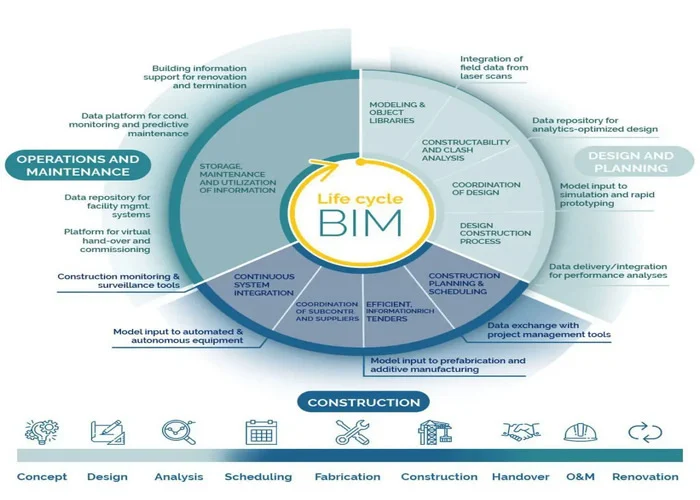
Building Information Modeling (BIM) has transformed the way projects are planned, designed, constructed, and managed. However, the true value of BIM extends beyond creating 3D models—it lies in effective information management throughout the entire asset lifecycle. From early design decisions to long-term facility operations and maintenance, accurate and accessible information is essential for achieving efficiency, reducing costs, and improving project outcomes.
What is Information Management in BIM?
Information management in BIM refers to the structured process of creating, organizing, sharing, maintaining, and utilizing project data throughout all project phases. It ensures that stakeholders have access to reliable information when they need it, enabling better decision-making and collaboration.
Standards such as ISO 19650 provide a framework for managing information effectively across the lifecycle of built assets.
The BIM Information Journey
1. Design Phase
During the design stage, architects, engineers, and consultants generate and exchange large amounts of information, including:
Architectural and engineering models
Design specifications
Material data
Coordination information
Effective information management helps teams:
Reduce design conflicts
Improve interdisciplinary coordination
Maintain version control
Ensure design consistency
2. Construction Phase
As the project moves into construction, information becomes even more critical. BIM supports:
Construction planning and scheduling
Quantity take-offs
Clash detection
Site coordination
Progress tracking
A centralized information environment enables contractors and project managers to access updated data, reducing errors and rework.
3. Handover Phase
One of the most valuable BIM deliverables is the asset information provided at project completion. This may include:
As-built models
Equipment specifications
Warranty information
Maintenance schedules
Operational manuals
A well-managed handover process ensures that facility owners receive complete and reliable information for future asset management.
4. Operations & Maintenance Phase
The operational phase often represents the longest portion of a building’s lifecycle. BIM information can support:
Preventive maintenance
Asset tracking
Space management
Renovation planning
Performance monitoring
Access to accurate asset information allows facility managers to make informed decisions, improve operational efficiency, and reduce lifecycle costs.
Benefits of Effective BIM Information Management
Organizations that implement structured information management practices can achieve:
Better collaboration among stakeholders
Improved project quality
Reduced project risks
Faster decision-making
Lower operational costs
Enhanced asset performance throughout the lifecycle
The Role of ISO 19650
ISO 19650 establishes international best practices for managing information using BIM. It provides guidance on:
Information requirements
Data exchange processes
Common Data Environments (CDE)
Roles and responsibilities
Information delivery throughout project stages
Following ISO 19650 helps organizations create consistent, reliable, and scalable information management workflows.
Conclusion
BIM is much more than a design tool—it is a powerful framework for managing information across the entire asset lifecycle. By implementing structured information management practices from design through operations and maintenance, project teams can maximize the value of their data, improve collaboration, and ensure long-term asset success.
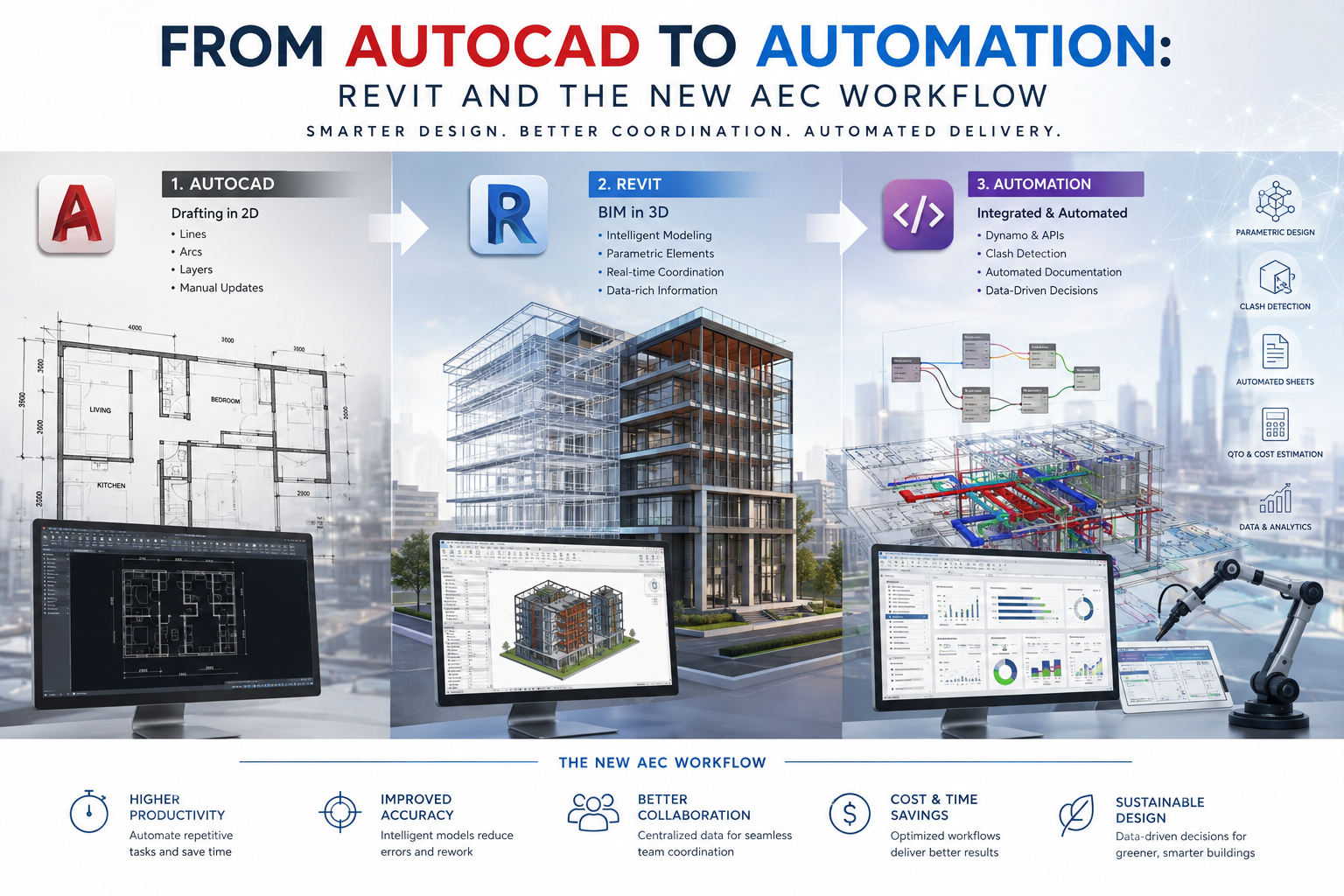
As the AEC industry continues to embrace digital transformation, effective BIM information management is becoming a fundamental requirement for delivering smarter, more sustainable, and better-performing built assets.








0 Comments
No comments yet.